







Megaprojects
the future
Key integration megaprojects

Key integration megaprojects
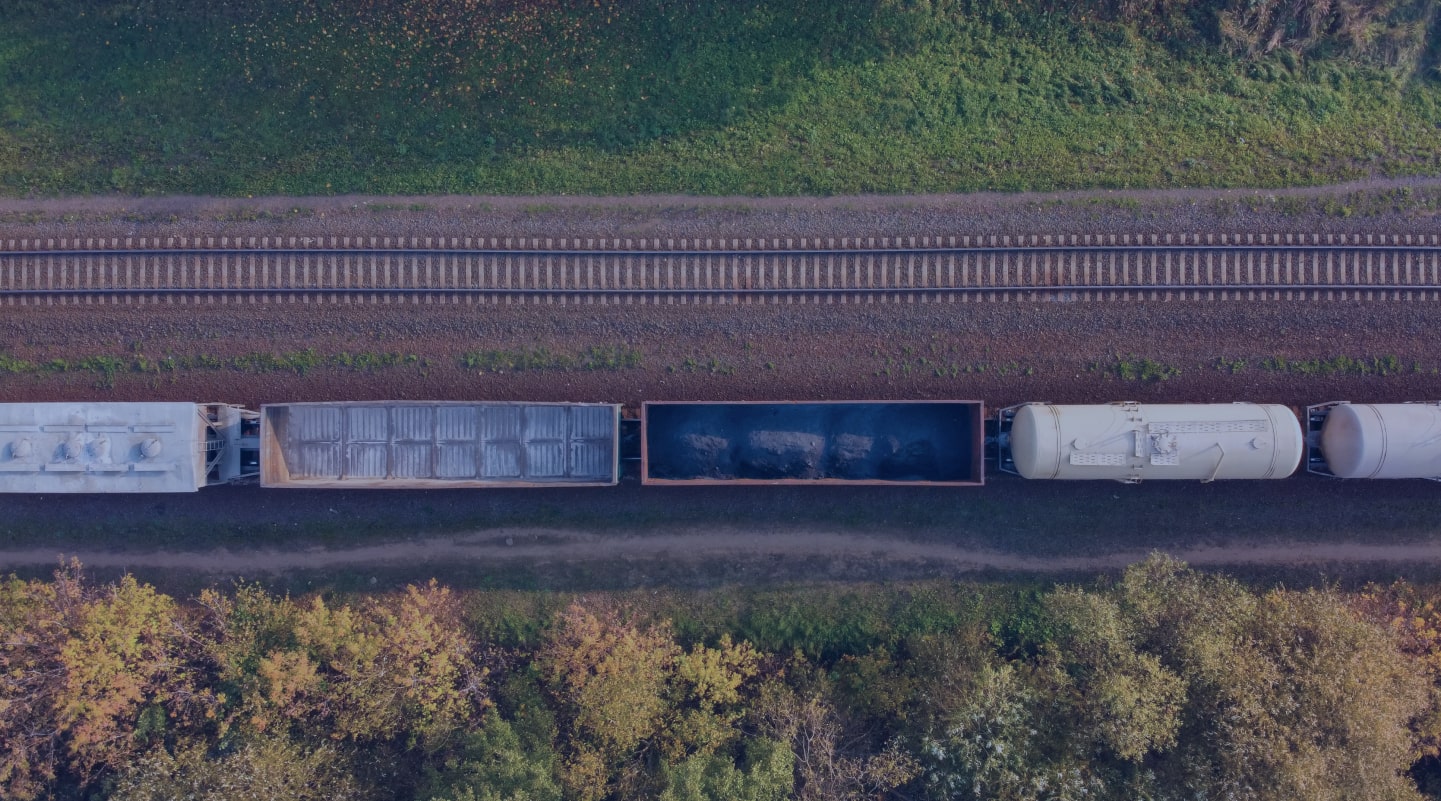
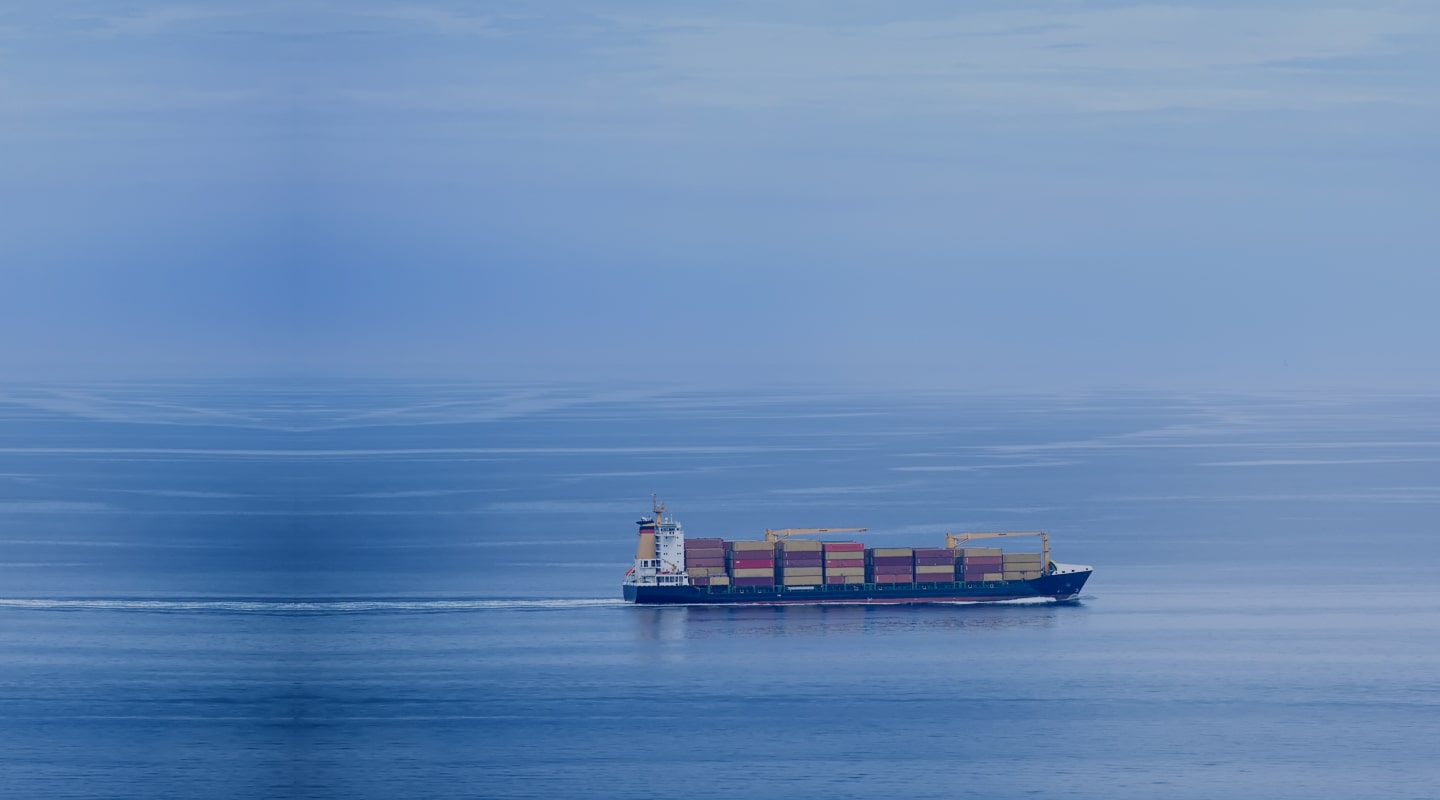
Eurasian Transport Network

Key integration megaprojects
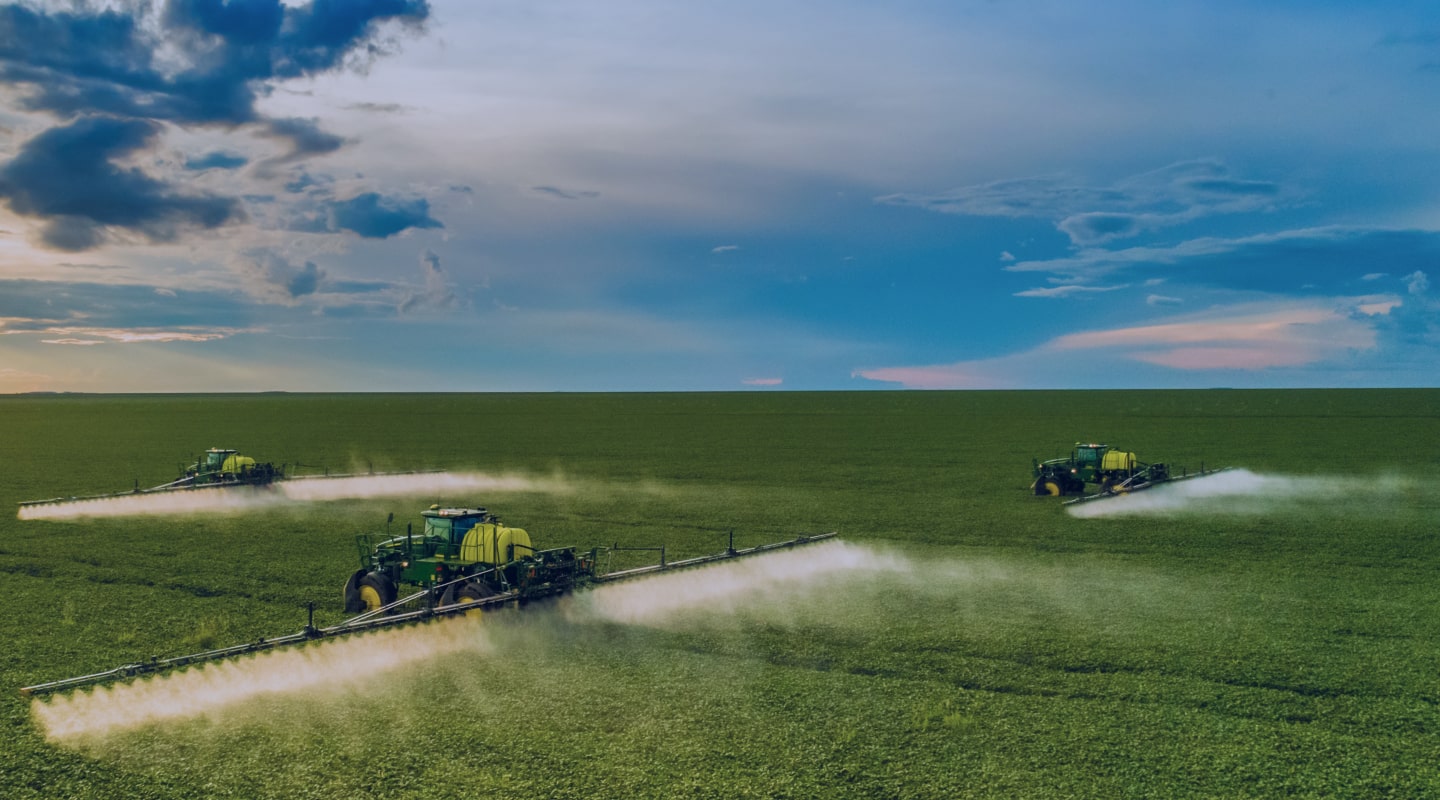
Eurasian Agricultural Goods Distribution System

Key integration megaprojects
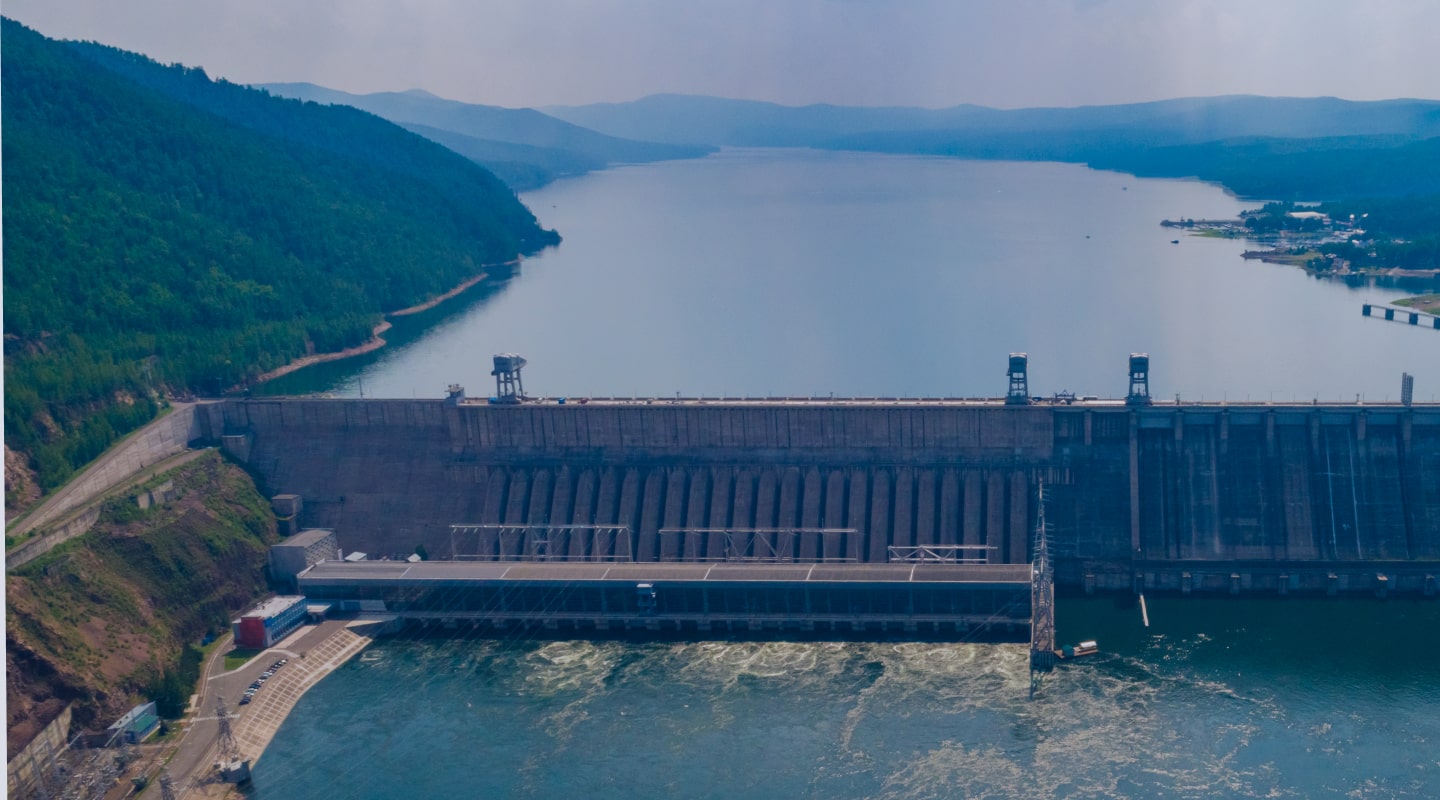
Central Asian Water and Energy Complex
Your possibilities
with EABR
News
Sustainable development
The Bank adheres to the
UN Sustainable Development Goals and ESG principles
Featured
Investment
portfolio volume
22.2+
billion $
13.4
billion $
+
1.2
billion $
investments in key projects
+
0.1
billion $
digital projects
+
0.5
billion $
projects in countries with small economies
+
9.1
billion $
investment in new projects
=
9.9
billion $
11.3
billion $
13.4
billion $
2020
2021
2022
2026
More than $ 22.2 billion
by 2026 will amount to the annual volume of investments based on the results of the implementation of the set of tasks of the Strategy
by 2026 will amount to the annual volume of investments based on the results of the implementation of the set of tasks of the Strategy


